

Part 2: The Devil Wore Calvin Klein
The second installment of my 1995 interview to be assistant to Vanity Fair's Fashion Director, Elizabeth Saltzman

Hello, Beautiful People.
As discussed in last week’s newsletter, All the recent excitement about The Devil Wears Prada 2 and Love Story, the JFK Jr. miniseries, got me thinking about my own misadventures in the once-glittering world of Condé Nast and the fashion world of the 1990s.
After fraudulently acquiring a new outfit to wear to the interview, I showed up at the Condé Nast HQ on Madison Avenue to meet Saltzman’s outgoing assistant, whom I’ll call Kitty, in reference to her all-leopard ensemble, which extended to the leash and collar worn by her Chihuahua. As I said last week:
I knew right there, I was doomed.
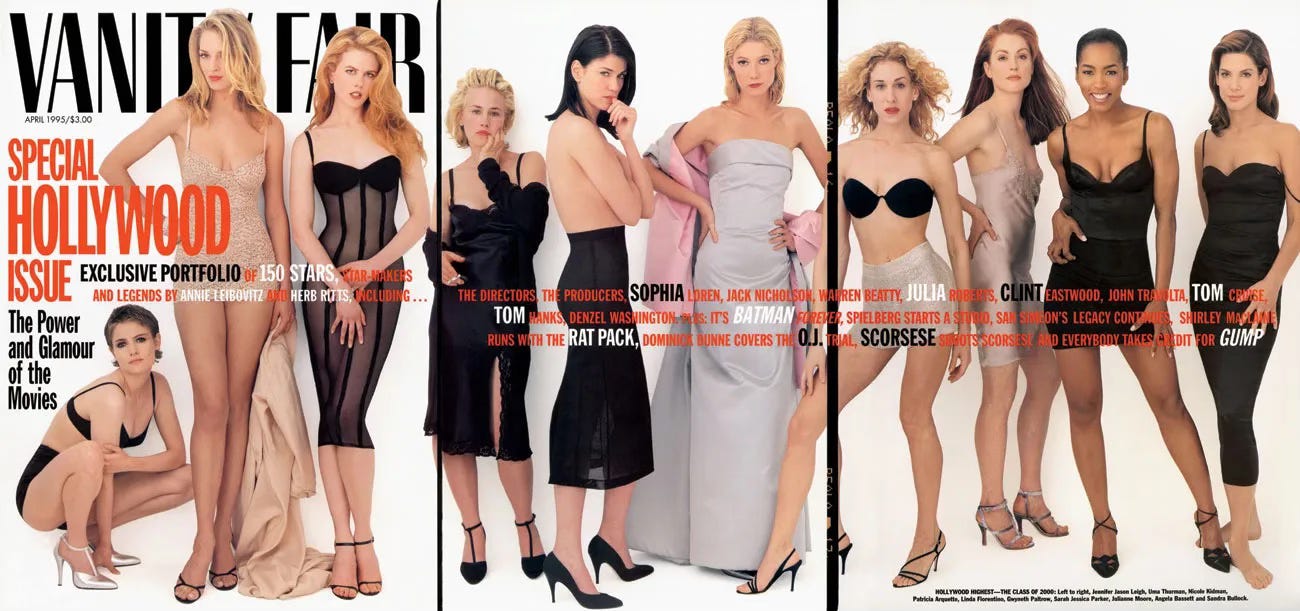
It’s not that I felt an all-leopard aesthetic would be expected of me, should I get hired for the job. It was that Kitty, in her all-leopard ensemble, probably had the wardrobe, the shopping fund, and the stylish wherewithal to reinvent her aesthetic every single day in whatever theme came to mind. She came to work in costume. And I admired it! She looked incredible. But it was not something I could ever achieve. My entire life savings amounted to less than $2,000 and most of that needed to go toward rent (I was sharing a studio apartment with an old friend. You heard me: a zero-bedroom apartment. Even in 1994, NYC was expensive).
I trailed Kitty as she led me through the marble lobby and its prominent newsstand, on which Condé Nast’s dozens of magazine titles were displayed like trophies. We entered the bank of elevators and proceeded upstairs. We passed GQ, Bon Appétit, Architectural Digest, and of course, Vogue.
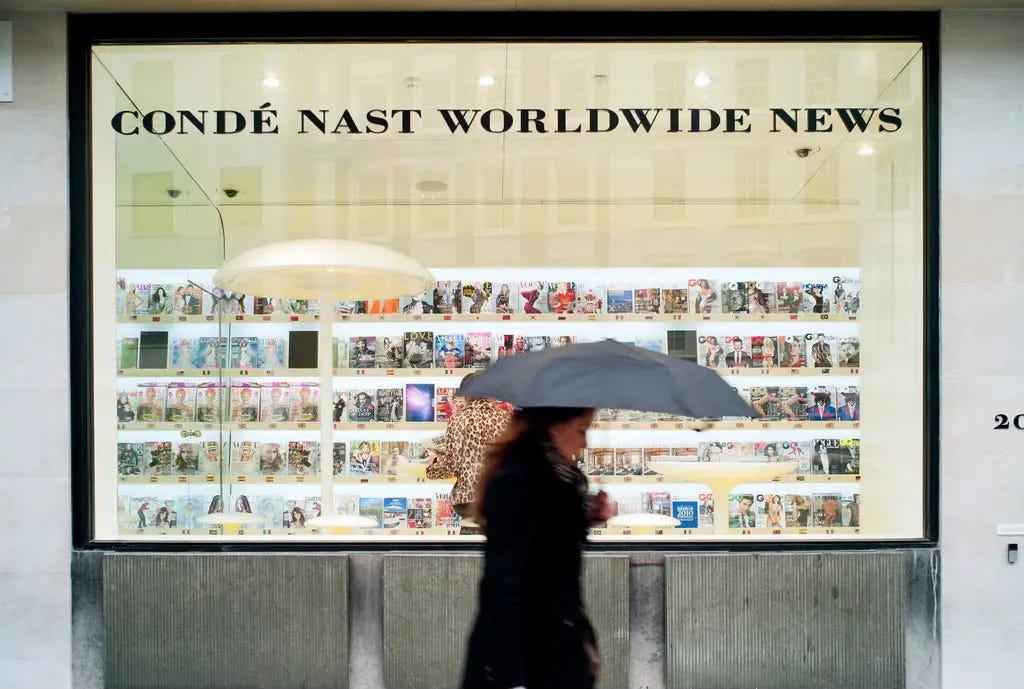
Riding the elevator was like vertically speeding through my old high school hallways, trying to identify the occupants’ social status through visual clues. Well-dressed gay men? GQ, obviously. Except the best-dressed gay men, who stayed on the elevator after the GQ floor: these guys worked for Vogue. The door opened to the Vogue floor and I felt a sense of relief when it closed. Just a brief glimpse of the high-stress, anorexic world there convinced me I was not, in any sense, built for that place. My subscription was enough.
Vanity Fair was probably a better fit for me, I silently reassured myself; after all, it’s not just about fashion and thinness… it’s about culture! And I was an English major! I already suspected none of these things were relevant, but I was there in the elevator, so what were my options?
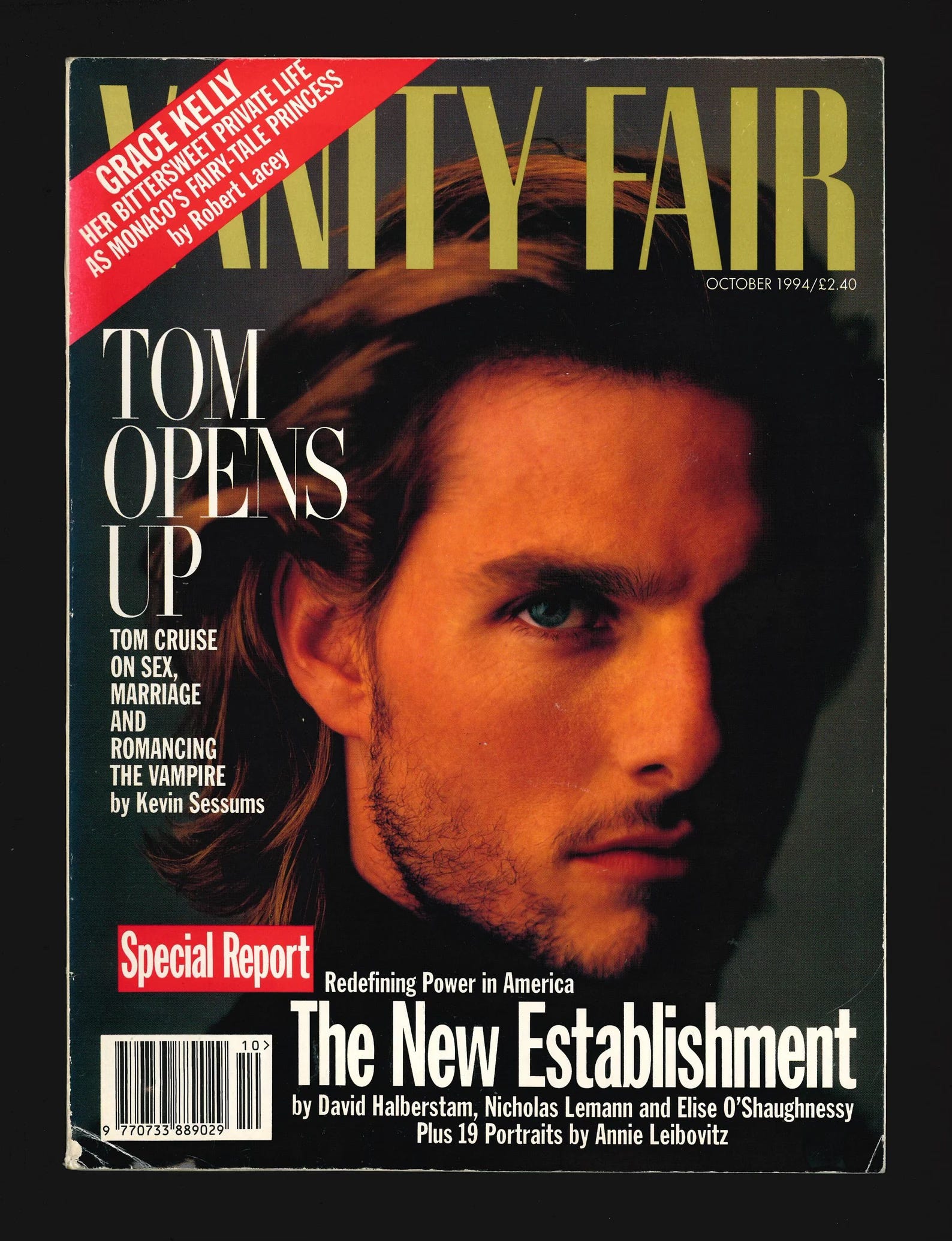
Kitty walked me through the Vanity Fair floor. “Here’s her office,” said Kitty, waving me into a bright cube of an executive suite with glorious views of Manhattan. The room reminded me of a museum gallery still awaiting its art installation. The walls were white, the spare furnishings—a large desk, a leather couch, a couple of office chairs—were all white or stainless-steel. The walls were empty. The focus of the room was a huge pile of boxes and bags heaped in the middle of the room, as if dropped there from a helicopter.
This jumble of fashion-y stuff could have passed for an art installation in its own right, a symbolic junk pile of late 20th century fashion marketing, commodification, and branding that underpinned the entire Condé Nast corporation itself. The mountain of product included shoe boxes from Chanel, Louboutin, Salvatore Ferragamo. A small city of skyscraping shopping bags crowded around the boxes: Bergdorf Goodman, Tiffany & Co., Barneys, Saks Fifth Avenue, Ralph Lauren.
But no Elizabeth Saltzman.
“She’s out right now but she should be back anytime,” said Kitty, unfazed. I got the sense she didn’t interact with Saltzman much. “Just have a seat and she’ll be here soon, OK?” “Sure,” I said. Kitty and her Chihuahua skipped away. A moment later, some other young assistant popped in, barely looked at me, and deposited four more giant shopping bags next to the pile. I smiled; she ignored me. I wasn’t offended. We were both just accessories here.
Although I didn’t know exactly what was inside all the bags and boxes, they represented thousands of dollars of the merchandise I’d been coveting in my childhood bedroom for years. Then, I spotted the art.
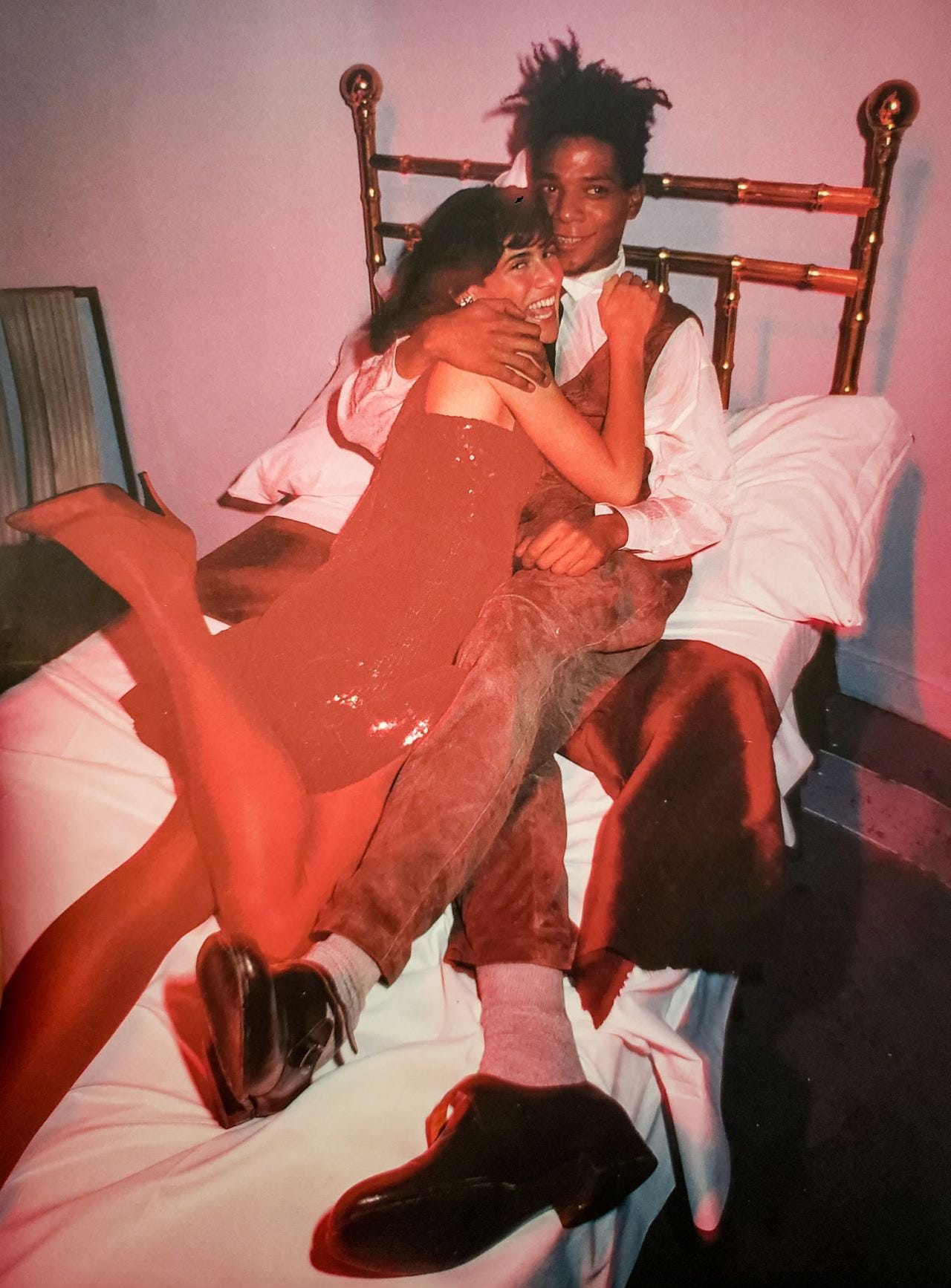
Leaning against the back wall, behind Saltzman’s desk, were several rolled-up canvases. A few minutes had already gone by and nobody at Vanity Fair seemed aware I was even in the office. I decided to take a peek.
I gently unrolled the first canvas and stopped. It was… well, it looked like a Jean-Michel Basquiat painting. How did I know? Because I (obviously) also subscribed to Interview magazine, and Basquiat was featured in there constantly. And here was one of his paintings (or a print? I didn’t know) just leaning against the wall.
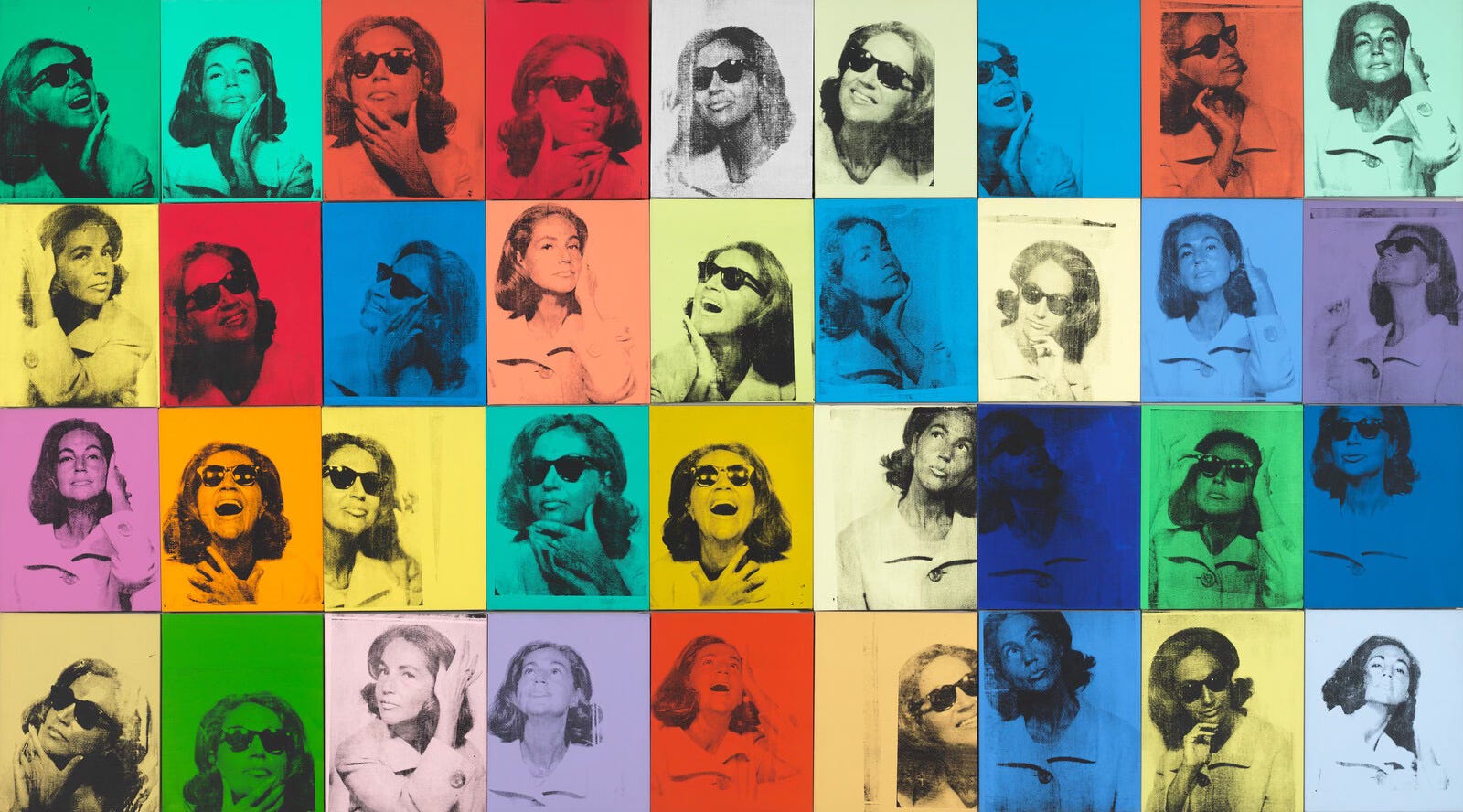
I looked at the next piece. It was an Andy Warhol, one of his famous Polaroid portraits of a woman I didn’t recognize, probably one of the New York City socialites who paid him for the commission. (Warhol founded Interview… maybe I should have been interviewing there?) But before I could speculate further, Elizabeth herself walked in.
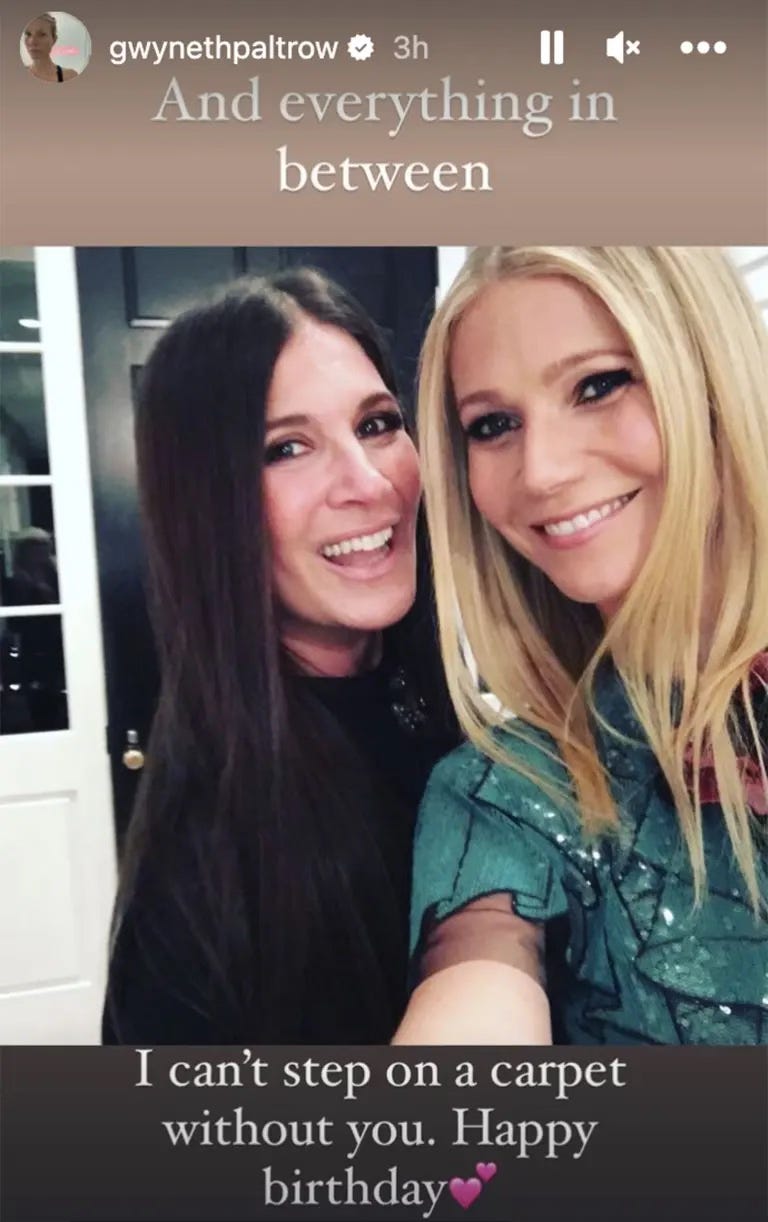
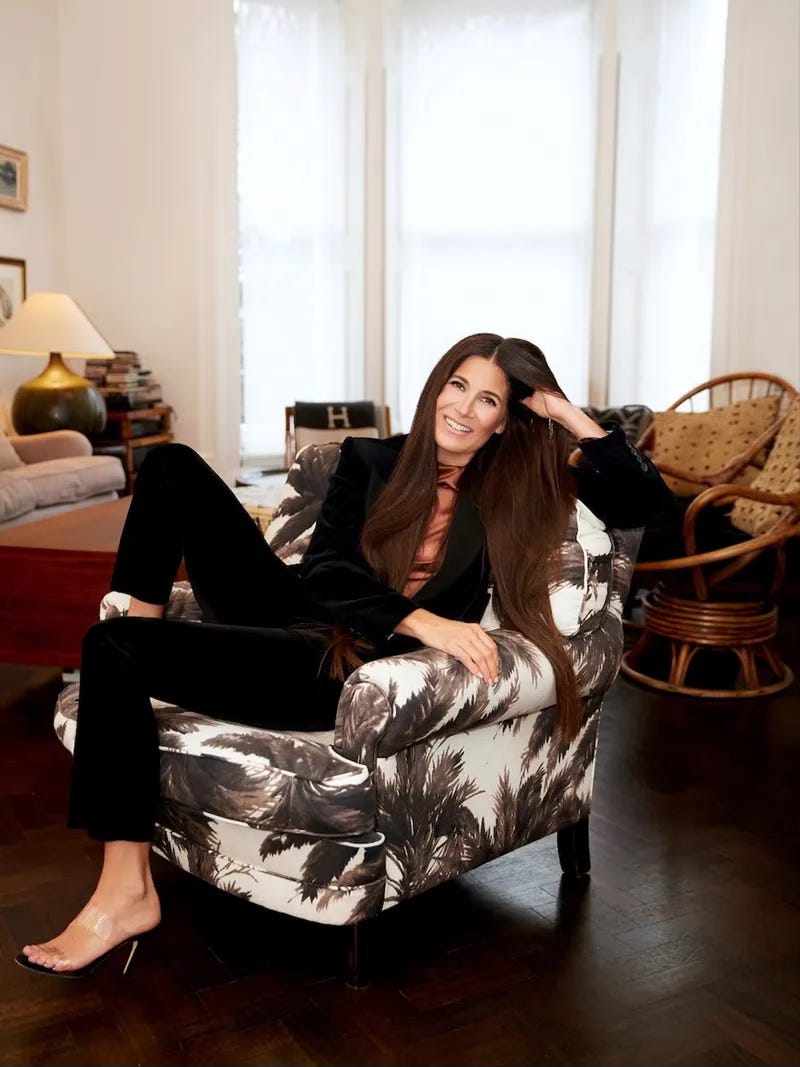
I was mortified to be discovered snooping through her things, but Saltzman didn’t seem to notice or care. Dressed in the clean, sculptural lines of mid-1990s Calvin Klein, her long hair hanging straight, Saltzman was the archetype for a visual style that would come to be associated with the celebrities she featured, most notably Gwyneth Paltrow’s minimalist ‘90s look: no patterns, no frills, everything smooth and white as a glass of milk (everyone still drank cow’s milk in 1994).
She smiled, greeted me warmly, and laughed at the rolled-up artwork.
“I really need to hang that stuff up!” she said, rolling her eyes. “I’m just so busy…” She looked out at the growing pile of merchandise on the floor. “As you can see, I really need help. Kitty’s so great, but she’s leaving, so…” she looked at me directly for the first time. “How do you know H?”
Ah, H. H was the friend-of-a-friend-of-a-friend who’d gotten me in the door here, but I knew what Saltzman meant: How in the hell does H know you? You, in the Banana Republic pantsuit? You, in the drugstore mascara? You, in the appalling Steve Madden loafers? To be clear, Saltzman did not say or even imply any of these condescending observations. She was gracious and kind.
But I wondered. I mean, what the hell was I doing here? I was already sweating.
”Oh, I met H in Spain a few years ago,” I said. Which was true. We’d worked together at the 1992 Barcelona Olympics; me because I’d lucked into a job by virtue of already being in the city on an education abroad program; Helen because she was a well-connected Manhattan private school girl who’d landed a prestigious summer internship. I was paid weekly in American Express Traveler’s Cheques. H was no doubt unpaid… because she didn’t need the money.
“I love Spain!” exclaimed Saltzman. “Did you meet in Ibiza? I adore Ibiza.”
“No, Barcelona,” I said, and then volunteered nothing further. I’d never been to Ibiza… it was expensive to travel to, and even spendier once you got there.
“Well, if you’ve lived in Spain then you must know how to have a good time,” she continued, “which is so important. Here’s the deal: in this office, we work really hard, you know? We work our butts off all week, sometimes on the weekends too, often into the night. That’s just how it is! But…” She got up from behind her desk and sat on the edge of it, nudging the Warhol with the pointy toe of her Blahniks. “I’m also the kind of boss who—if we’ve been working so hard all week to get an issue done and now it’s Friday and it’s a gorgeous day to go horseback riding in the Hamptons—says, ‘Hey! Let’s go horseback riding in the Hamptons! Because we deserve it!’ You know?”
Did I know? No, I did not. I had never been to the Hamptons. But I wanted to. I’d heard about them. “That sounds great,” I said.
“So, did you work at Vogue like H did?”
Yikes. “No,” I said, vaguely recalling H telling me about another unpaid internship reserved for the college kids who could afford to live in Manhattan for the summer with no income. “But I love Vogue—and Vanity Fair—and have subscribed to them both [a lie, at least about VF] for years.”
She almost laughed, as if only then remembering that, for most people, magazines were something you subscribed to, not personal offices where your luxury goods were delivered. “OK, great,” she said. “And do you want to be a stylist, too? Like Kitty?”
I paused. It was 1994. Back then most people, myself included, weren’t familiar with the term “stylist” unless it pertained to hairdressers. The magazine staffers who would eventually become icons, such as Grace Coddington, Corinne Day, and Isabella Blow, were simply called editors. That was the job title. I wasn’t exactly sure what “stylist” meant.
“I’m really interested in editing,” I said truthfully, “but obviously I’m interested in every aspect of magazines and how they’re run. That’s why I’m so interested in Vanity Fair, because, unlike Vogue, you cover the whole culture here.”
A pause.
I’d given the wrong answer.
She smiled. I smiled. We both knew it.
Elizabeth Saltzman was the Fashion Director at Vanity Fair, not the Editorial Director. She needed an assistant who could do what Kitty no doubt did: lived, breathed, slept, and (sparingly) ate fashion, 365 days a year. What she did not need was a random young woman dressed like a cater waiter who aspired to something beyond fashion… because what was beyond fashion? Not horseback riding in the Hamptons—that was the fashion world. Editorial just went out drinking (heavily) after work in bars, wearing their boring white shirts and black pants and complaining about the decline of Western Civilization. Nobody in Editorial was commissioning Warhol portraits, even I knew that.
But she grasped my hand anyway, and smiled warmly, and thanked me for coming in. She told me she was swamped but was trying to get the assistant job squared away in the next week or so. And I left. I remember standing on the sidewalk outside the Condé Nast building, suddenly cut off from the privileges of that inner sanctum, just another pedestrian in Midtown Manhattan looking for a job. And although I was disappointed—I knew I would not be getting the job, and I didn’t—I was also relieved.
I didn’t belong there. Not because I wasn’t rich (though god knew what I would have done about my work wardrobe). But I also knew that what drew me to New York City was not Vanity Fair or even Vogue. It was literature. Books. I’d grown up around books and authors and, deep down, I wanted to write books myself, though I had still not admitted it to myself. And I’d read so many books about New York City, from Edith Wharton to Elizabeth Hardwick, Ralph Ellison to F. Scott Fitzgerald. New York was the capital of American literature.
Did I then turn to the publishing industry? You know, the place where they publish actual books? No, I did not. This is what happens when you refuse to admit things to yourself. Instead, I remembered why it had occurred to me to seek a job at Condé Nast in the first place: because Joan Didion’s first writing job was at Vogue.
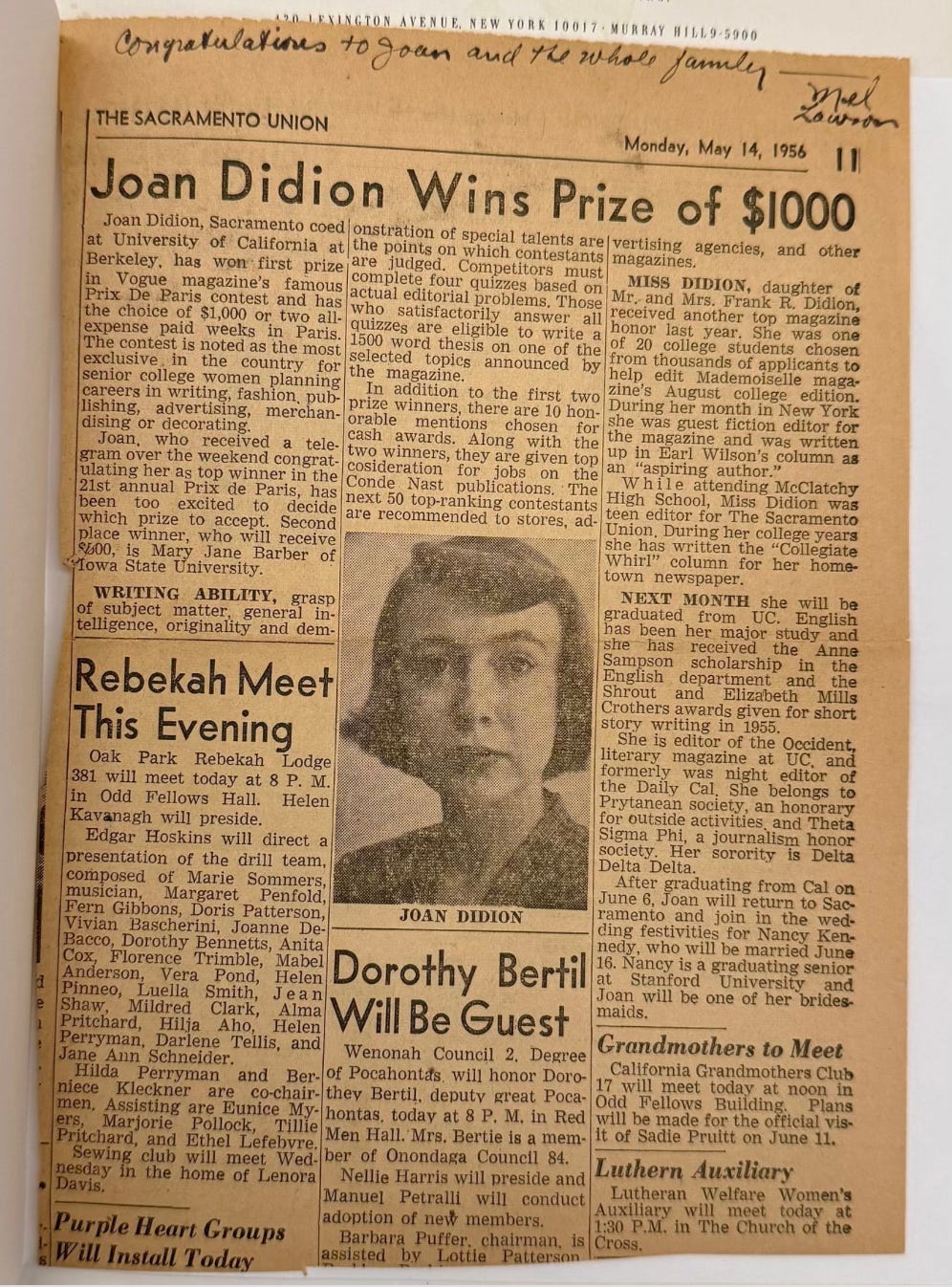
Pondering Didion’s career path, I walked back to the west side across Central Park, considering my next move. Practically speaking, I needed to return my interview outfit to Banana Republic. I knew I needed to find a job, not at a fashionable place, but somewhere my unremarkable clothing would fit in. I had an idea, one that would also require the help of a friend-of-a-friend-of-a-friend, as most farfetched opportunities do.
But this time I would be prepared. Thanks to long summers in Montana where I had few friends my own age, I had spent hundreds of hours alone, reading the entire run of one magazine’s weekly issues, from the mid-1970s to the present. I knew everything about it.
I was determined to get myself an interview at The New Yorker. And somehow, a few weeks later, I did.
It would not go well.
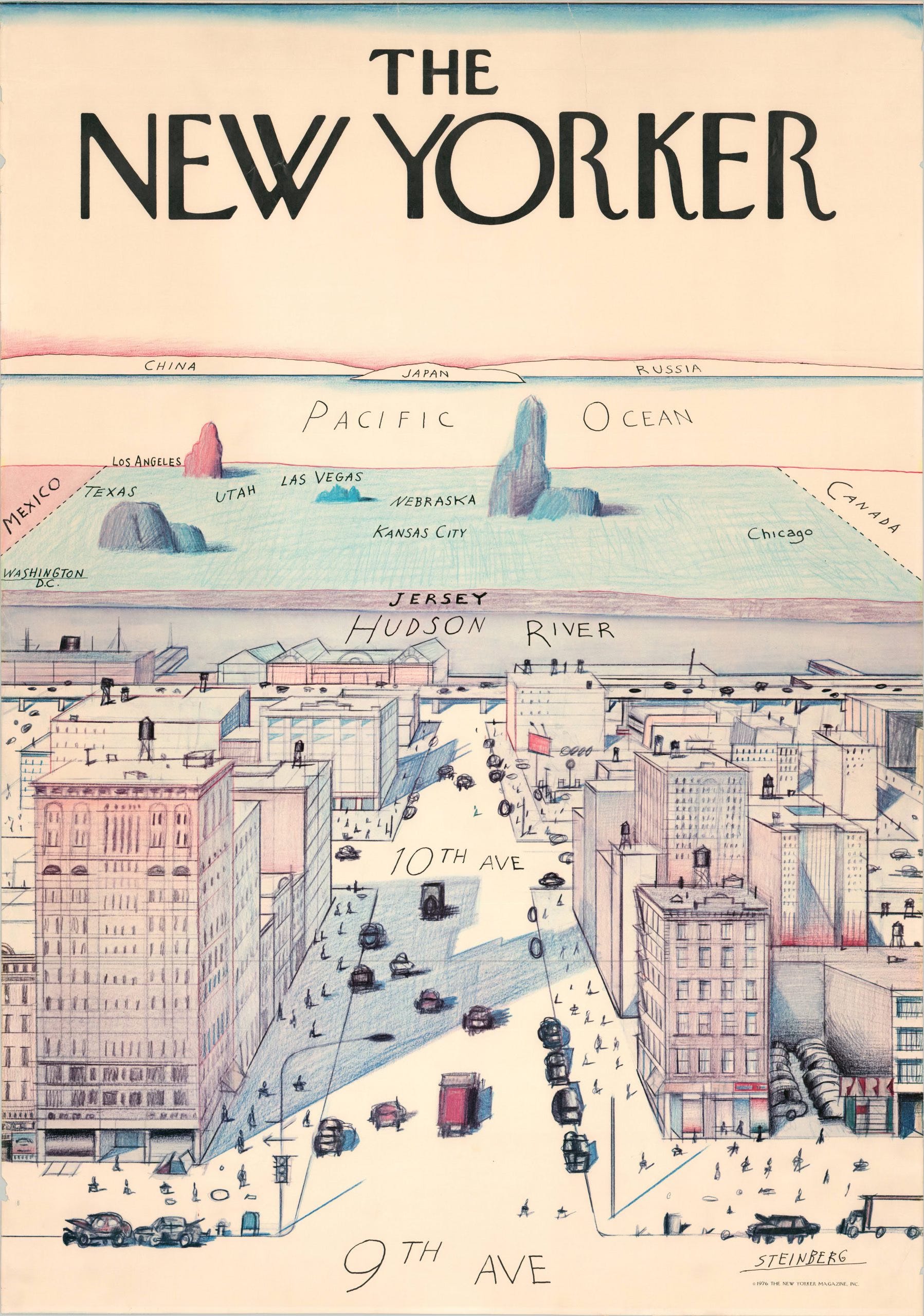
To be continued…
xo Buzzy